I have accidentally become the helpdesk
By Marc Winn
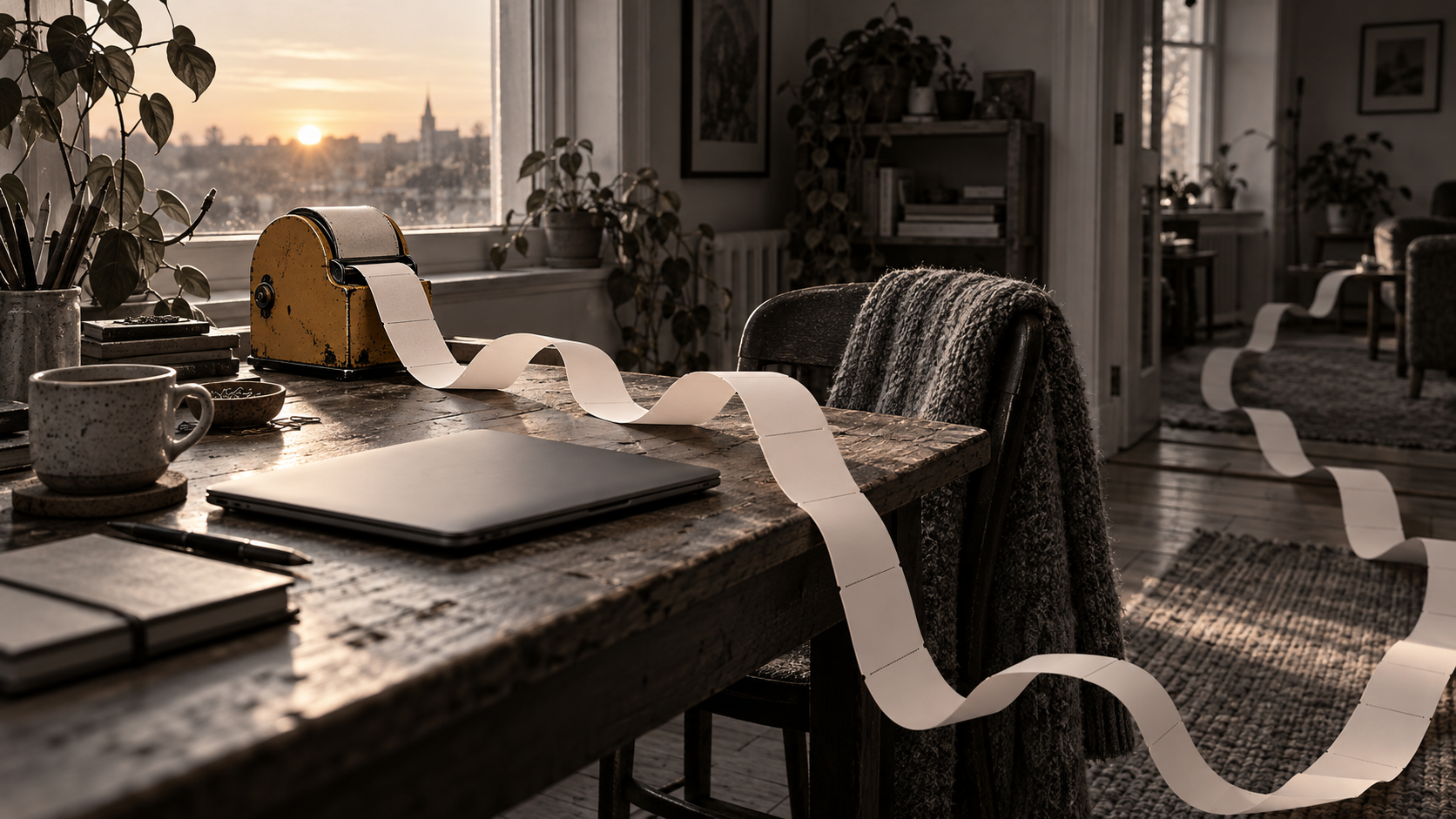
I like building systems that help. This is fortunate, because I have also built quite a few systems that need help.
The pattern is becoming familiar. Something in life is taking too much attention, so I create a tool, a workflow or a small collection of digital colleagues to carry it. For a brief and beautiful moment, the future arrives. Then the future raises a ticket.
Could I clarify the priority? Would I review the output? Is this task still current? Which version is approved? How should it behave next time?
I have somehow hired a cabinet and ended up as permanent secretary.
This is not a complaint about technology. I remain astonished by what is possible. Things that would once have required a team, a budget and several solemn meetings can now be attempted before breakfast. The problem is that capability and relief are not the same thing.
A system can do an impressive amount of work and still leave me carrying the thread. I remember why it exists, notice when it stalls, supply the missing context and decide what happens next. The task has moved, but the responsibility has not. It has simply become less visible and acquired a login.
The best help has a different quality. It disappears into the day.
A promise I made moves forward without returning as a fresh discovery. A finished thread stays finished. If something genuinely needs my judgement, it arrives with enough context for me to recognise it, a recommendation I can react to and a clear account of what my answer would make possible. Everything else continues without demanding applause.
That is what I mean by magic at the front and machinery backstage. I do not want to become an enthusiastic tour guide for the plumbing. I want to turn on the tap and find water.
There is a human lesson in this too. Good support does not treat another person as the missing API. It does not keep asking them to bridge every gap in the system. It carries what it can, preserves what matters and interrupts with care.
I am trying to build more of that quality into the way I work. Not a larger control room. Not another dashboard announcing that all the dashboards are healthy. Something closer to an entourage: people and tools that understand the direction, move reality along and know when to bring me back into the room.
The test is surprisingly ordinary. Did the thing happen? Did the person feel met? Did I get some attention back?
I still love the machinery. I am probably always going to look behind the curtain, partly from curiosity and partly because I cannot resist a lever marked “experimental”. But I would like the machinery to stop introducing itself quite so often.
I do not need the future to impress me every hour.
I would quite like it to help.
Reader responses
Be the first to respond.