Village Sovereignty
By Marc Winn
For years, I have been attracted to the idea of self-sovereignty.
Control your identity, money, data, work and decisions. Become less dependent on institutions that are too slow, systems that do not see you and gatekeepers who think they know what is best for your life.
It sounds like freedom.
But life has gradually changed my mind.
Raising a high-needs autistic daughter has repeatedly confronted me with problems I cannot solve through greater personal agency. Our family has advocated, connected people and helped create things that did not exist.
Some of that has been wonderful. It has shown me what ordinary people can make possible.
But families should not have to become system designers simply to hold their lives together.
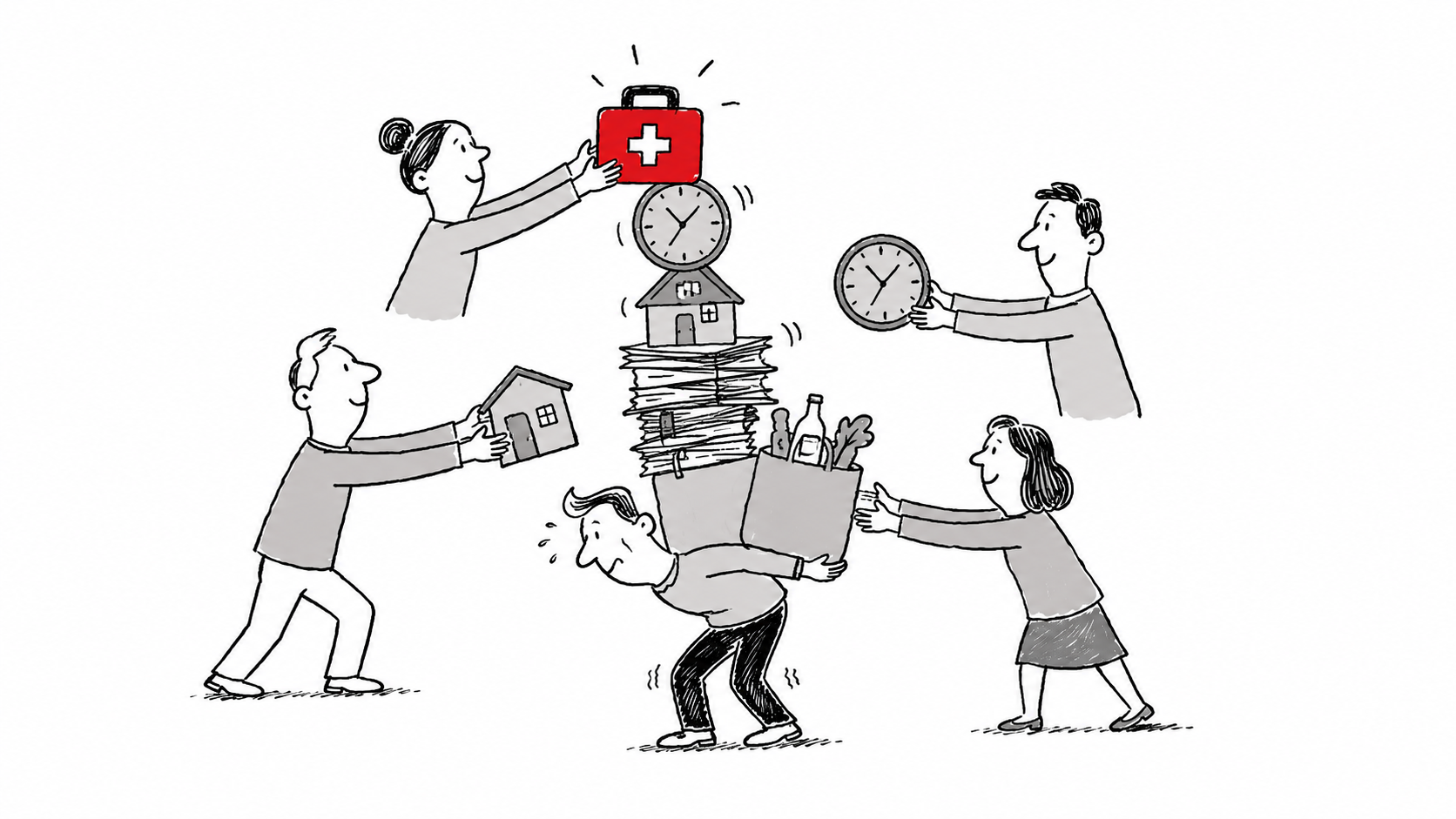
The people carrying the greatest care responsibilities are often expected to navigate the most fragmented systems. They complete the paperwork, chase the professionals and fight for some continuity between all the disconnected pieces.
Technically, they may have choice.
In reality, they are exhausted.
A few years ago, I might have seen the answer as giving families more power, information and technology. I am no longer convinced that is enough.
Sometimes we do not need to become more independent.
We need to know that other people will be there when we cannot carry everything alone.
This is what I have begun calling village sovereignty.
It is the capacity of a community to care for its people and shape its future together. It does not take away individual freedom. It makes that freedom more real by surrounding it with dependable relationships.
After years of parents advocating, Guernsey finally has a holiday club for children with additional needs. This summer, for the first time, my wife did not have to help run it.
It sounds like a small thing. But it meant that something our family needed no longer depended upon our family carrying it.
The village held it.
That is freedom too.
Artificial intelligence will make each of us extraordinarily capable. We will have digital entourages helping us learn, create, earn and navigate complex systems.
But there is a danger that we become incredibly powerful individuals who no longer need to speak to anyone.
We could remove so much friction from life that we also remove the encounters from which friendship, trust and belonging emerge.
Perhaps the role of technology should not be to make the village unnecessary. Perhaps it should help the village become more dependable.
Let technology deal with the bureaucracy.
Let people deal with one another.
A sovereign village notices when someone disappears. It can act on small problems before they become crises. It has places where people can arrive without a referral or a polished explanation. It can gather some people, move some money and create what is missing.
For years, I have wondered how we might help individuals become more powerful.
I am beginning to think I had the wrong unit of transformation.
What if the future belongs to more powerful villages?
Marc
Reader responses
Be the first to respond.